
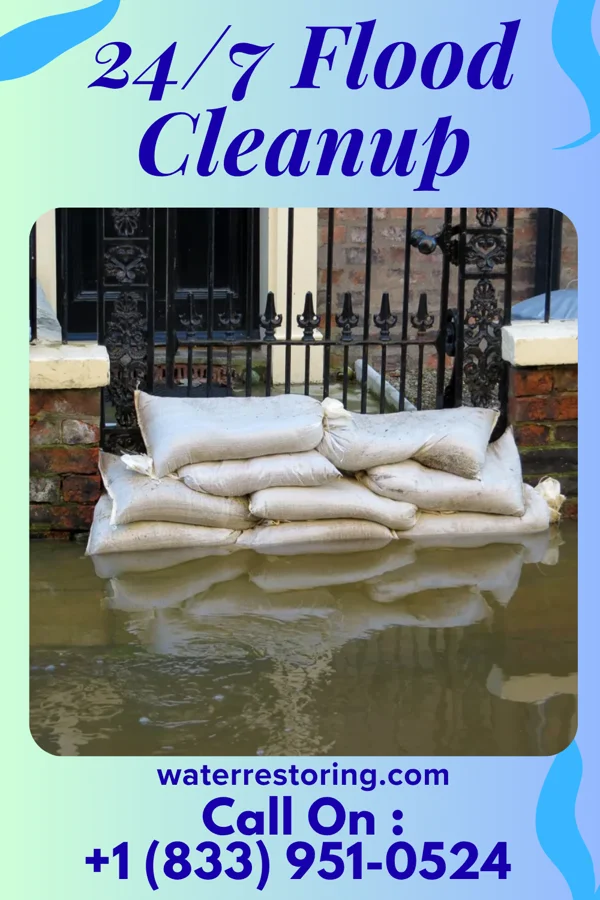
Holiday & Weekend Flood Response in Slater-Marietta
Most water damage emergencies in Slater-Marietta start with heavy rainfall and coastal storm systems overwhelming storm drains. A close second is aging stormwater infrastructure overwhelmed during prolonged rain events. From the second water touches the property, every minute changes what gets saved and what gets ripped out.
Slater-Marietta experiences frequent heavy rainfall due to its humid subtropical climate, which transitions into humid continental conditions in the winter. The region's flat terrain and dense tree cover contribute to slow water runoff, increasing flood risk during storm events.
Slater-Marietta experiences frequent heavy rainfall due to its humid subtropical climate, which transitions into humid continental conditions in the winter. The region's flat terrain and dense tree cover contribute to slow water runoff, increasing flood risk during storm events. The dominant local driver is heavy rainfall and coastal storm systems overwhelming storm drains, with aging stormwater infrastructure overwhelmed during prolonged rain events showing up as the next most common cause. Damage builds in stages. Spread. Absorption. Microbial growth. Structural compromise. Every stage you pass through adds to the final bill.